A Practical Review of "Meanwhile in the Pumpkin Patch"
When a new embroidery file lands in my library, I don’t just admire it on screen. I think about how it will behave under a needle, how the stitches will settle into fabric, and what kind of finished product it will create. That’s the lens I’m using to evaluate Meanwhile in the Pumpkin Patch, Nature W. As a design that clearly falls into the category of graphics and t-shirt designs, its appeal is immediate, but its real value is determined on the embroidery machine and in the hands of a customer.
The First Stitch Impression: Autumn Charm with Practical Potential
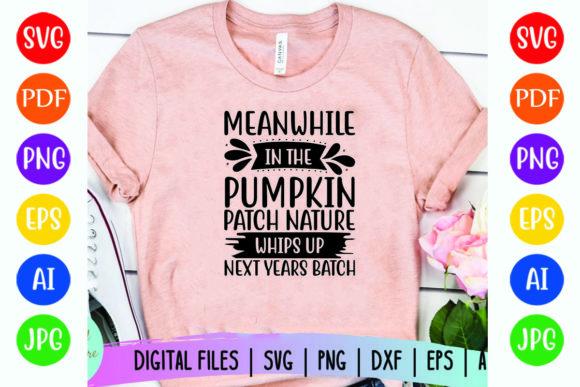
The design immediately evokes a cozy, rustic autumn mood. It’s not overly cartoonish or fiercely realistic—it sits in a pleasant middle ground that feels handmade and approachable. The layout suggests a natural focal point, which is excellent for apparel. I can visualize this on the center of a sweatshirt or the pocket area of an apron without it feeling awkward or unbalanced. The level of detail, given it's composed of vector shapes, suggests it could translate into embroidery with clear, defined areas for satin stitches and fill stitches, provided the digitization is done well. This isn’t a hyper-detailed illustration that might become a muddy blob of thread; it has a visual personality suited for stitching.
Where This Design Finds Its True Home
In practical use, Meanwhile in the Pumpkin Patch feels destined for projects where a touch of seasonal warmth is the goal. Picture it on a canvas tote bag for a craft fair—it would look substantial and artful. Embroidered on a tea towel or a pillow cover, it becomes a piece of home decor. For a small shop selling handmade baby items, a smaller version on a knit blanket or a little sweater could be incredibly sweet. It’s also a strong candidate for personalized gifts, like a custom apron for a gardener or a holiday gift for a friend who loves fall.
I particularly like its potential for a boutique’s branded merchandise. An Etsy seller could use this on a limited-run sweatshirt, and it would carry that “made-with-care” look that buyers seek. As a digital embroidery file, having formats like SVG and AI means you can tweak elements if needed for a specific product, which is a bonus for creative entrepreneurs.
Projects Where You Might Want to Proceed with Caution
While versatile, certain applications require extra thought. The small decorative accents and possible fine lines mean you’d need to be cautious on very textured fabrics like some towels or thick fleece, where detail can get lost. If there is tiny lettering within the design, stitching it on a curved surface like a cap could be challenging. On thin or stretchy fabrics, the stitch density needs to be appropriate to prevent puckering.
Using it on dark fabric demands a thoughtful thread color palette for good contrast. And for products destined for frequent washing, like kitchen linens, you’d want to ensure the stabilizer choice and stitch structure are robust to maintain clarity over time. This isn’t a criticism of the design itself, but a reminder that any embroidery project success depends on matching the design to the right fabric and technique.
The Impact on Your Craft Business and Customer Perception
Using a well-composed design like this elevates your finished product. It adds perceived value. A customer seeing this on a tote isn’t just seeing a pumpkin; they’re seeing a piece of art. That builds customer trust and enhances your brand consistency if autumn themes are part of your shop’s story. The “giftability” factor is high—it feels personal and seasonally special without being overly generic. For an embroidery designer selling finished goods or a digital product seller offering the file itself, this kind of design engages buyers because it clearly suggests a beautiful end result.
A Few Practical Notes from the Hoop
Before you commit this to a client’s project or your best-selling sweatshirt, do your standard due diligence. Always test the design on scrap fabric first, preferably the same type you’ll use for the final product. Check thread color contrast against both light and dark backgrounds; sometimes a color that pops on screen needs adjustment on fabric. Review the stitch density in your machine software to see if it’s suitable for your chosen material.
Confirm the physical hoop size you’ll need—the design’s dimensions will dictate this. Inspect any small details in the test stitch to ensure they embroider cleanly. It’s also wise to run a simple black and white mockup to see how the design holds its form without color. And a crucial, often-overlooked step: confirm the licensing for this graphic. Is it for personal use only, or does it allow for commercial embroidery projects where you sell the finished items? The product description mentions formats but doesn’t specify license terms; you must verify this before selling.
Remember, a good embroidery file is a partnership between the digital art and your skill. Meanwhile in the Pumpkin Patch provides a charming, resizable vector foundation. Your choice of stabilizer, thread, fabric, and machine settings will bring it to life. In my experience, designs with this kind of clear, thematic focus and adaptable structure become reliable assets in a maker’s toolkit, turning efficiently from a digital file into a physical product that people love to hold, wear, and give.