A Winter Design Worth Threading Into Your Projects
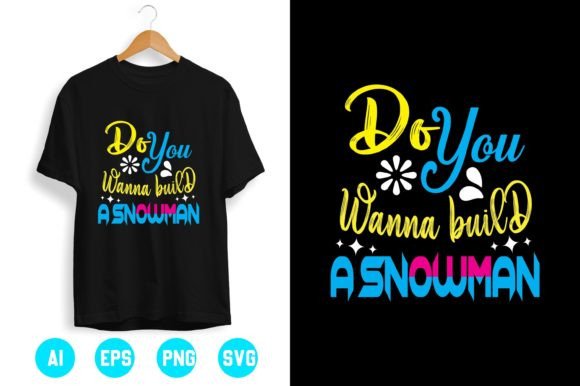
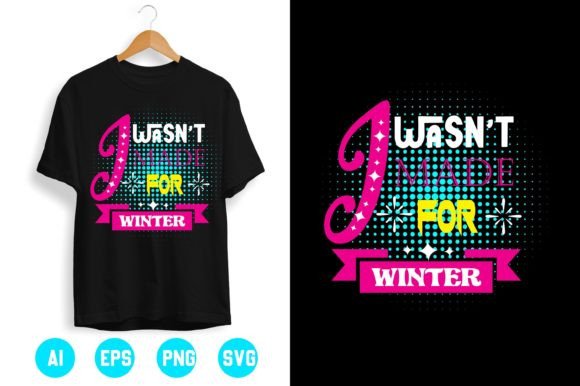
When a design file named Winter T-shirt Design 65 lands in my library, my first question isn't about its technical specs. It's about its soul. What kind of mood will it stitch into fabric? How will it feel when someone wears it or gives it as a gift? Before I even consider the hoop, I look at its visual personality.
The Quiet Confidence of a Well-Built Graphic
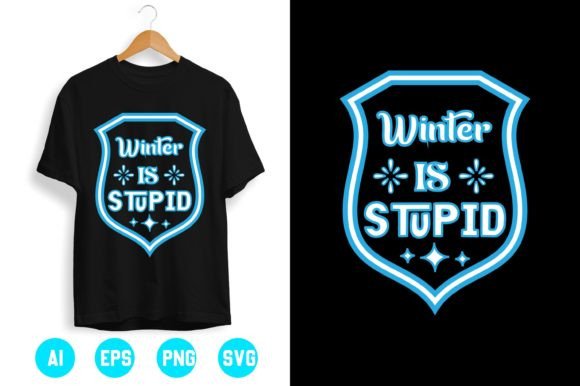
This design has a clean, assembled look. It’s not a chaotic collage of winter elements; it feels like a composed scene. That’s a huge plus for embroidery. A cluttered layout can become a muddy, dense stitch area that’s tough on fabric and machines. This one, with its 100 vector shapes and resizable nature, suggests an intelligent structure. The shapes are likely distinct, which translates beautifully into separate stitch regions—perfect for clean satin stitch borders or controlled fill stitches.
The mood it creates is cozy and graphic, not overly childish or too generic. It has a warmth that feels handmade, which is exactly the aesthetic you want for a personalized gift or boutique product. I immediately picture it on a heather gray sweatshirt, the stitches providing a soft, textured contrast.
The Real-Life Test: From File to Finished Tote Bag
Let’s walk through a real scenario. I’m preparing a custom embroidered tote bag for a small shop’s winter market. I need a design that’s recognizable, giftable, and stitches cleanly on canvas. Winter T-shirt Design 65 comes to mind.
Because the description notes it's possible and easy to change color, I can adapt the palette from traditional winter blues and whites to a more rustic, neutral scheme with browns and creams to match the shop’s branding. That’s a practical advantage for brand consistency. I load the file, resize it for the bag’s panel, and my first concern is stitch density. Canvas is robust, but a design with too-heavy fills can make the bag stiff. The vector-based nature of this file suggests I can control this; I can likely adjust saturation or simplify areas if needed before stitching.
On the finished tote, the design won’t feel like a printed sticker. It will be part of the fabric. That tactile, handmade presentation increases perceived value. A customer picking up that bag feels the texture of the embroidery—they’re engaging with a craft, not just a graphic. That builds trust and connection.
Where This Design Finds Its Perfect Home
This isn’t a one-size-fits-all design, and that’s good. Its clarity makes it a strong candidate for several key products.
- Custom Apparel: Think premium sweatshirts, adult-sized t-shirts, and hoodies. The design scale works well on a larger canvas without losing detail.
- Home Goods with Presence: Pillow covers, kitchen towels, and blanket corners. These are products where the design can be a focal point.
- Boutique-Level Baby Items: On a baby bib or the front of a soft romper, it becomes a charming, winter-themed gift. The “easy change color” feature is gold here—you can match it to any nursery palette.
- Embroidered Patches: This could be stitched onto a wool hat or backpack as a standalone patch. The clean shapes would allow for crisp edges.
For Etsy sellers and craft fair vendors, this kind of design is a reliable asset. It creates a cohesive look across different products, strengthening your shop’s visual identity.
Territories Where You Should Proceed with Caution
An experienced embroidery designer knows that every file has its limits. Here’s where I’d be cautious with Winter T-shirt Design 65.
- Very Small Hoop Sizes: If the design has smaller, intricate lettering or tiny decorative accents (common in winter themes), scaling it down for a cap or a baby’s sleeve might cause those details to blur or stitch poorly. Always test on scrap first.
- Highly Textured or Stretchy Fabrics: Thin, stretchy tees or nubbly sweaters can distort clean lines. Proper stabilizer choice is non-negotiable here.
- Dark Fabric Backgrounds: The mood of this design is light and cozy. Stitching it entirely in dark threads on a black garment might lose that essence. Check thread color contrast thoroughly. Creating a black-and-white mockup of the file can help you see the pure shapes before committing to a color scheme.
The description states it’s a print ready graphic file, which is fantastic for creating digital product previews or printable mockups. But for machine embroidery, remember: you are converting this into stitches. The fabric, the thread, the machine—they all reinterpret the graphic. That’s the magic, but it requires practical checks.
Professional Notes Before You Stitch
Before I commit this design to a client’s order or my own shop merchandise, my process involves a few non-negotiable steps.
- Scrap Fabric Test: Hoop a piece of the actual fabric you’ll use. Stitch a section, or the full design if possible. Look for pull, distortion, or any small details that don’t translate.
- Hoop Size Verification: Ensure your desired final size fits within a standard hoop you own. Don’t assume.
- License Confirmation: The description says “digital clip art files can be used.” This is vague. For commercial embroidery projects where you’re selling the finished physical product, you must confirm the licensing terms. Does “can be used” include commercial use? Never guess.
- Background Comparison: Stitch a sample on light and dark scraps to see how the color palette and mood shift. It might be perfect on both, or it might need a palette adjustment for one.
This design, with its vector foundation, should offer good flexibility. But flexibility in a digital file doesn’t automatically mean ease in an embroidery project. Your skill in pairing it with the right materials completes the loop.
The Final Impression: A Design That Adds Value
In the end, Winter T-shirt Design 65 strikes me as a valuable graphics asset for a serious crafter or small business. It has the visual personality to create a warm, professional-looking finished product. It avoids the trap of being overly complex, which makes it a safer bet for clean embroidery outcomes.
When a customer sees this design embroidered on a tea towel or a sweater, they see intention. They see a handmade product with a clear, appealing theme. That engagement is what turns a simple embroidery project into a sellable item or a cherished gift. It’s a design that doesn’t just exist as a file; it invites you to make it real.