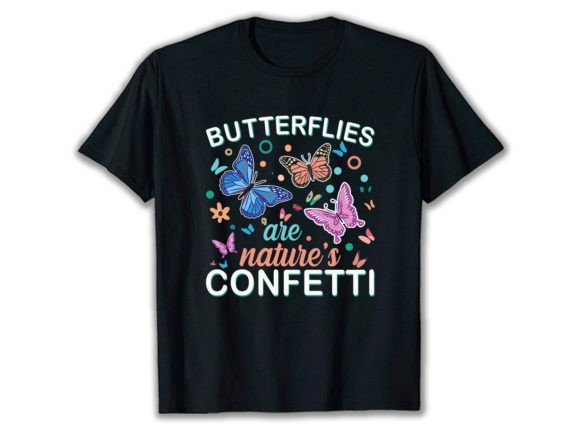
Butterflies Are Nature's Confetti Embroidery Review
From my workbench, surrounded by fabric swatches and spools of thread, I look at a design like "Butterflies Are Nature's Confetti" with a very practical eye. It's not just a pretty file; it's a potential project, a product, and a piece of handmade value. My evaluation always begins with imagining it stitched out, on real fabric, for a real purpose.
The First Flight: Mood and Visual Personality
The name itself sets the tone: celebratory, light, and whimsical. As an embroidery design, this isn't a formal, scientific illustration. It’s a silhouette-based layout that evokes a feeling of spontaneous joy, like confetti caught in a moment. The theme is universally positive, and the shape suggests movement and freedom. This visual personality makes it an excellent candidate for projects meant to convey happiness, a love of nature, or a gentle, uplifting message. It naturally belongs to embroidery projects for gifts, casual apparel, and decorative home items rather than corporate logos or formal wear.
A Real-Life Scenario: The Custom Embroidered Tote
Let’s walk through a typical use. Picture a client requesting a personalized tote bag for a friend who loves gardening. You load "Butterflies Are Nature's Confetti," thinking it’s a perfect, nature-themed accent. On screen, the silhouette details look clear. But in real-life embroidery, how will those flying shapes translate? The success hinges on stitch clarity. On a textured canvas tote, the design needs enough density to stand out but not so much that it becomes stiff and heavy. The open, airy layout of butterflies should help here, preventing dense fill stitch areas that can pucker thicker fabrics.
Performance Across Real Projects
This design’s strength is its versatility in theme, but its application requires thoughtful pairing.
For custom apparel like t-shirts and sweatshirts, it offers a decorative focal point without being overwhelming. On a baby’s onesie or a child’s hoodie, it creates a sweet, innocent motif. As an embroidered patch, it could be charming, but you’d need to inspect the small details to ensure the individual butterfly silhouettes remain distinct when stitched at a potentially smaller scale.
For home decor—pillow covers, kitchen towels, or nursery blanket accents—it adds a soft, handmade touch. I’d lean towards using it on lighter-colored fabrics for these items to maximize the design’s visibility and that “confetti” brightness. In a holiday or wedding gift context, like an embroidered apron or tea towel, it feels personal and thoughtful, elevating a simple item into a unique present.
For small business merchandise, say in a boutique or Etsy listing, it’s a safe bet for its broad appeal. It can enhance brand consistency for a shop centered on nature, crafts, or joyful themes. The finished product looks professional and engaging, which builds customer trust. As a digital file for sellers, its clean silhouette makes it suitable for printable mockups, showing clients a clear preview of the final embroidered product.
Where Caution and Care Are Needed
No design is perfect for every scenario. Here’s where "Butterflies Are Nature's Confetti" demands a designer’s attention.
- Small Hoop Sizes: If you need to stitch it very small, perhaps on a cap’s curved surface or a tiny baby garment detail, the individual elements might lose definition. Test first.
- Textured or Stretchy Fabric: Fabrics like loose knits or stretchy athletic material require the right stabilizer. The design’s open areas could be prone to distortion if not properly stabilized.
- Dark Fabric: This is a key consideration. The design’s light, airy mood is best communicated with lighter thread on darker backgrounds, but you must ensure your thread color choices provide stark contrast. A dark navy with bright white or yellow thread could work beautifully, but a black background with gray thread might render the “confetti” effect invisible.
- Dense Stitch Areas: While the layout seems open, check the actual embroidery file. If any butterfly silhouette is composed of a very dense fill stitch, it could be stiff on thin fabrics like a standard t-shirt.
- Products for Frequent Washing: On items like everyday kitchen towels or children’s clothes, a design with many small, intricate satin stitch borders might require more durable stitching techniques to withstand wear.
The Impact on Value and Engagement
When stitched well on an appropriate product, this design boosts visual appeal significantly. It turns a plain item into a conversation piece. The stitching clarity directly affects perceived product value—a clean, crisp embroidery job looks professional and increases a buyer’s confidence in your craftsmanship. For a handmade presentation, it offers a recognizable, friendly motif that feels both personal and universally appealing, enhancing its giftability. It engages buyers by telling a simple, positive story through craft.
Practical Notes from the Embroidery Bench
Before you commit this design to a client’s project or your shop inventory, here’s my standard checklist.
- Test on Scrap Fabric First. Always. Use the same fabric and stabilizer you plan for the final product. This reveals any issues with puckering, density, or detail loss.
- Check Thread Color Contrast. View the design in a simple black-and-white mockup to understand its forms, then choose thread colors that will make it pop on your specific background.
- Review the File for Your Machine. The description mentions SVG and sublimation, which are typically for cutting and printing. For machine embroidery, you need a specific embroidery file format. Confirm you have the correct file type for your embroidery machine and that the stitch types (satin, fill, running) are appropriate for your project.
- Confirm Hoop Size Requirements. The design’s dimensions will dictate your hoop. Ensure it fits comfortably within your available hoop sizes for a stable stitch-out.
- Inspect Small Details. Zoom in. Are there tiny corners or minute gaps between butterflies that might get lost or cause thread breaks?
- Use Proper Stabilizer. Match your stabilizer to the fabric weight and the design’s stitch density. This is non-negotiable for a clean finish.
- Clarify Licensing. Before selling finished items or commercial embroidery projects, verify the licensing terms of "Butterflies Are Nature's Confetti." Ensure your use—personal gift or small business merchandise—is permitted.
In summary, "Butterflies Are Nature's Confetti" is a design with a lovely, uplifting spirit that can translate beautifully into embroidered goods. Its success, however, lies not in the digital preview but in your thoughtful execution. Pair it with the right fabric, the right stabilizer, and the right product context, and it will indeed flutter off your hoop as a little piece of handmade celebration.